Why Seeking Help in Business Isn’t a Sign of Failure

There comes a point when trying harder simply isn’t enough.

That’s exactly where we found ourselves with Leo.

When he first came to us, we threw ourselves into helping him.

We watched videos.

We read books.

We listened to podcasts.

We spoke to other dog owners.

We tried different techniques.

Some things helped.

Some made no difference.

Some accidentally made things worse.

Like many people, my instinct was to solve the problem myself.

After all, that’s what capable people do… isn’t it?

Eventually, I realised something important.

It was a bit like learning to listen to your body – the signs had been there for a while, but I was so focused on trying to fix the problem that I wasn’t really noticing them.

I wasn’t struggling because I wasn’t trying hard enough.

I was struggling because I didn’t yet have the knowledge or experience to understand why Leo behaved the way he did.

That’s when we contacted a veterinary behaviourist.

Not because we’d failed.

Because we wanted to give Leo the very best chance possible.

Sometimes Experience Matters More Than Effort

Working with a behaviourist wasn’t a magic fix.

There wasn’t one session where everything suddenly changed.

Instead, we learnt.

We began to understand his triggers.

We recognised what wasn’t helping.

We adjusted our routines.

Perhaps most importantly, we learnt to slow down and observe before reacting.

That lesson has stayed with me far beyond dog training. Sometimes the answer isn’t to do more; it’s to understand more first. That’s something I explore further in my blog about Leo – Take Time to Assess a Situation.

Only then did Leo begin to change too.

The Same Thing Happens in Business

I see exactly the same thing in business.

There are countless things we can do ourselves.

Build a website.

Manage the bookkeeping.

Design graphics.

Write social media posts.

Create systems.

Learn marketing.

Some people genuinely enjoy all of those things.

Many don’t.

The challenge is that we often spend weeks, months or even years trying to solve a problem that someone with the right experience could help us understand in a fraction of the time.

Seeking help in business isn’t about finding someone to do everything for you.

It’s about recognising when someone else’s knowledge can help you move forwards more quickly, avoid costly mistakes or simply give you a different perspective.

Asking for Help Isn’t a Weakness

One of the biggest misconceptions in business is that asking for help somehow means you’re less capable.

I think the opposite is true.

Confident business owners know what they’re good at.

They also know what they’re not.

That’s why they surround themselves with people who can fill the gaps.

Sometimes that support is practical.

Sometimes it’s accountability.

Sometimes it’s someone asking the difficult questions you’ve been avoiding.

Sometimes it’s simply having someone to push you when you’ve convinced yourself you can’t take the next step.

Nobody succeeds entirely on their own.

Different Situations Need Different Skills

Another lesson Leo taught me is that experience doesn’t always transfer as easily as we think.

Someone can be an excellent dog owner and still need help with a rescue dog who has experienced trauma.

It’s no different to business.

Just because you’ve successfully managed one challenge doesn’t automatically mean you’ll know how to tackle the next.

It’s a little like asking whether swimming in a pool, in a lake or in the sea is really the same thing.

The basic skill may be identical.

The environment changes everything.

The conditions are different.

The risks are different.

And what worked perfectly before may no longer be enough.

Recognising that isn’t failure.

It’s wisdom.

Staying True to Yourself

Ironically, seeking help in business doesn’t make your business any less authentic.

In fact, it often makes it more authentic.

When you stop trying to become an expert in everything, you have more time and energy to focus on the things that genuinely make your business yours.

That’s how your customers know your business truly came from you.

Not because you’ve done absolutely everything yourself, but because the parts that matter most still reflect who you are, your values and the experience you want your customers to have.

The Lesson Leo Taught Me

Leo still isn’t the dog we imagined we’d have.

He’s something much better.

He’s taught us patience.

He’s taught us perspective.

And perhaps most importantly, he’s taught us that asking for expert help isn’t admitting defeat.

It’s giving yourself—and those who depend on you—the very best opportunity to succeed.

The same is true in business.

Sometimes the bravest thing you can do isn’t trying harder.

It’s recognising you don’t have to do it alone.

Ready to make your business work your way?

If this article has sparked an idea, highlighted a challenge, or simply made you stop and think, let’s have a chat. I offer a free, no-obligation discovery call where we can explore what’s working well, what’s getting in your way, and whether I can help you save time and create systems that fit the way you work.

👉 Book your free discovery call here: https://tidycal.com/3zd5zj1/blog-discovery-call-clone20250506083047

How Do Your Customers Know It Truly Came From You?

As business owners, we spend a lot of time trying to stand out.

We work on our branding.

We choose colours.

We create logos.

We build websites.

We design business cards.

But sometimes the thing that makes us most recognisable isn’t any of those things.

It’s consistency.

How do your customers know it came from you? Often it’s the consistency of your actions, communication and personality rather than your logo alone.

It’s the small details that become unmistakably yours.

The Christmas Card Test

A few years ago, I received a Christmas card that immediately made me smile.

Not because of who had signed it.

Not because of what it said.

But because I knew exactly who it was from before I even opened it.

The colours were distinctive.

The style was familiar.

It looked like them.

Their personality had become part of their branding.

That moment stuck with me because it demonstrated something powerful.

The strongest brands don’t need to announce themselves.

People recognise them instinctively. Just as everyone interprets the same thing differently, people also notice and remember different aspects of a brand.

Recognition Comes From Repetition

This is often how your customers know it came from you, even when your name isn’t immediately visible.

Most people assume branding is about creating something unique.

In reality, branding is often about being consistently you.

The colours you use.

The language you choose.

The way you communicate.

The quality people expect.

The experience clients receive.

Over time, those things create familiarity.

And familiarity creates trust. Much like the idea that connection doesn’t mean communication every day, recognition is often built through consistent experiences rather than constant interaction.

When people repeatedly experience the same values, standards and personality, they begin to recognise your work without needing to see your name attached to it.

The Unfinished Projects We Remember

Another thing that prompted this reflection was looking at some unfinished colouring projects from last year.

They’d been put aside months ago.

Yet the moment I saw them again, I immediately remembered where I’d left off and what I wanted them to become.

Some ideas stay with us because they genuinely matter.

The same is true for businesses.

People remember the things that consistently leave an impression.

Not necessarily the loudest things.

Not necessarily the most expensive things.

The things that feel authentic.

What Makes You Recognisable?

Recognisable branded greeting card amongst plain envelopes showing how customers identify a business through consistency
The strongest brands are often recognised before a name, logo, or website is ever seen.

When considering how your customers know it came from you, think beyond visual branding and focus on the experience people associate with you.

Think about the businesses and people you remember most.

Often it isn’t their logo.

It’s something deeper.

For some people, it’s their humour.

For others, it’s their generosity.

For others, it’s their reliability.

For me, when I think of people in my own network, certain traits immediately spring to mind.

When I think of Sheena, I think of glittery stars.

When I think of Abbie, I think of free gifts.

When I think of Smile, I think of extra care and attention.

When I think of Bearskills, I think of practical grounding and resilience.

When I think of Matt Richardson, I think of his commitment to making an impact.

And when I think of Jody, I immediately picture her Advent Calendar.

Each of those things has become part of how I recognise them.

Not because they forced it.

Because they’ve shown up consistently enough that the connection happened naturally.

Your Brand Is More Than Your Logo

Many business owners spend a huge amount of energy trying to perfect their visual branding.

That’s important.

But visual branding is only one piece of the puzzle.

Your real brand is the experience people have when they interact with you.

It’s how quickly you respond.

How clearly you communicate.

How reliable you are.

How you solve problems.

How people feel after they’ve worked with you.

Those are often the things clients remember longest.

Can People Spot You Without Seeing Your Name?

Here’s a useful question to consider:

If somebody removed your logo, your business name and your website address, would people still recognise your work?

Would they recognise your tone of voice?

Your values?

Your personality?

Your approach?

If the answer is yes, you’re building something far stronger than a visual identity.

You’re building recognition.

And recognition is often what turns casual followers into loyal customers.

Final Thoughts

Understanding how your customers know it came from you can help shape a brand that feels authentic, memorable and trustworthy.

The businesses that stay in people’s minds rarely do so because they have the cleverest logo or the most polished graphics.

They stay in people’s minds because they’re consistently themselves.

Their values show through.

Their personality shows through.

Their approach shows through.

So rather than asking whether your branding is perfect, perhaps ask a different question:

If someone received something from me today, would they instantly know it came from me?

Because when the answer becomes yes, your brand is doing exactly what it should.

That’s often the moment you know your customers know it came from you, even before they see your name attached to it.

Ready to make your business work your way?

If this article has sparked an idea, highlighted a challenge, or simply made you stop and think, let’s have a chat. I offer a free, no-obligation discovery call where we can explore what’s working well, what’s getting in your way, and whether I can help you save time and create systems that fit the way you work.

👉 Book your free discovery call here: https://tidycal.com/3zd5zj1/blog-discovery-call-clone20250506083047

Self-Employment and the Importance of Planning for Yourself

There’s something I see far too often in self-employment.

Business owners planning around everyone else’s needs first.

Clients first.
Family first.
Messages first.
Other people’s emergencies first.

And somewhere at the bottom of the list?

Themselves.

The problem is, in self-employment, there usually isn’t another person quietly making sure you’re okay behind the scenes.

If you become overwhelmed, exhausted, ill, or completely burnt out, the business feels it too.

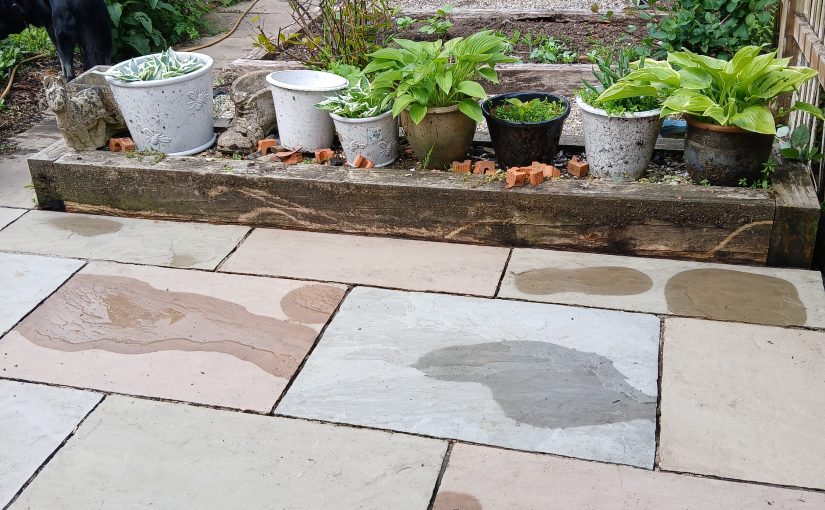
Productive garden with raised beds, plants and growing space representing sustainable growth and planning in self-employment.
Sustainable growth needs planning, space, and care — in business and in life.

That’s why planning for your own needs isn’t selfish. It’s responsible.

You Are the Engine Behind the Business

In employed roles, there are often systems, departments, policies, and colleagues helping carry the weight.

In small business?

A lot of the time, it’s just you.

You are:

  • the planner
  • the decision-maker
  • the customer service department
  • the admin
  • the marketing
  • the problem solver

Which means your wellbeing directly affects your business capacity.

If you constantly ignore your own needs, eventually something gives way.

Your Needs Deserve Space in the Plan

Planning shouldn’t only include:

  • deadlines
  • client work
  • networking
  • meetings
  • social media

It also needs to include:

  • rest
  • processing time
  • switch-off time
  • meals
  • movement
  • recovery
  • realistic workloads

Because a diary full of “productive” tasks means very little if you’re running yourself into the ground trying to complete them all.

Self-Employment Makes This Harder

One of the challenges with self-employment is that there’s rarely a clear stopping point.

There’s always:

  • another email
  • another idea
  • another opportunity
  • another unfinished task

And because of that, many business owners start treating their own needs as optional extras instead of essential maintenance.

But your needs are not the interruption to the business.

Ignoring them usually becomes the interruption later.

Success Becomes Harder Without Capacity

You cannot sustainably grow a business while permanently exhausted.

You cannot make good long-term decisions when your brain is overloaded.

And you certainly cannot support everybody else properly if you never allow yourself any breathing space.

Sometimes the most productive thing you can do is pause long enough to notice what you actually need.

Not what everybody else expects from you.

What you need.

Final Thoughts

Planning for your needs is important because you are not separate from your business.

Your energy matters.
Your capacity matters.
Your wellbeing matters.

And if you don’t make space for those things intentionally, the business will eventually force the issue for you.

A sustainable business is not built by endlessly sacrificing yourself to keep everything moving.

It’s built by creating systems, boundaries, and routines that allow both you and the business to keep functioning long term.

Ready to make your business work your way?

If this article has sparked an idea, highlighted a challenge, or simply made you stop and think, let’s have a chat. I offer a free, no-obligation discovery call where we can explore what’s working well, what’s getting in your way, and whether I can help you save time and create systems that fit the way you work.

👉 Book your free discovery call here: https://tidycal.com/3zd5zj1/blog-discovery-call-clone20250506083047

Listening to Your Body in Self-Employment

There’s a strange badge of honour in self-employment sometimes.

People proudly talk about long hours, skipped lunches, working late into the evening, answering messages at all hours, and “powering through” exhaustion like it’s some kind of business achievement.

But your body keeps score.

Listening to your body in self-employment is one of the most overlooked skills a business owner can develop.

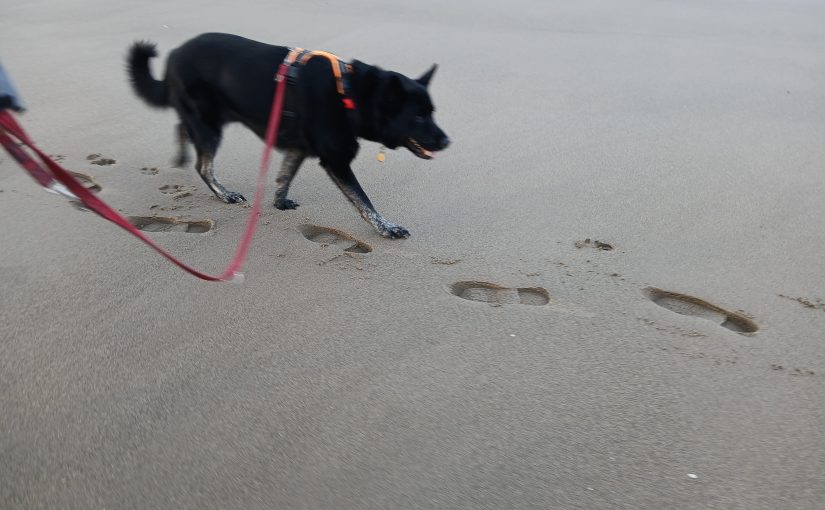
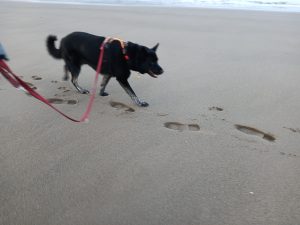
Leo walking on the beach while reflecting on listening to your body in self-employment
Sometimes the most productive thing you can do is step away and breathe.

And eventually, it starts whispering.

Then nudging.

Then shouting.

The problem is that many self-employed people are brilliant at listening to customers, deadlines, family members, networking contacts, business coaches, suppliers, and social media “experts”…

…but absolutely terrible at listening to themselves.

I know because I’ve done it too.

Listening to Your Body in Self-Employment Starts Earlier Than You Think

One of the hardest things about self-employment is that there’s no built-in stop point.

No manager telling you to take annual leave.

No HR department reminding you to log off.

No colleague noticing you’re running on fumes.

When you work for yourself, the responsibility sits with you.

Which sounds empowering… until you realise you can accidentally work yourself into the ground while convincing yourself you’re “just busy.”

Sometimes your body notices long before your brain catches up.

You become snappy.

Your concentration drops.

Simple tasks suddenly feel overwhelming.

You stop sleeping properly.

You feel permanently behind.

Your shoulders ache.

You lose patience.

You reread the same email three times.

And yet somehow, many of us still respond with:

“I just need to push through this week.”

The Danger of Ignoring the Warning Signs

Ignoring your body doesn’t make you stronger.

It usually just delays the crash.

And the frustrating part is that self-employed people are often the worst for this because we care deeply about what we do.

We don’t want to let clients down.

We don’t want to lose momentum.

We don’t want to miss opportunities.

So we keep going.

But there’s a huge difference between being committed to your business and sacrificing yourself for it.

Your business cannot run well if the person running it is exhausted, resentful, overwhelmed, or unwell.

At some point, sustainability matters more than hustle.

Listening Isn’t Laziness

This is the part many people struggle with.

Rest feels uncomfortable.

Slowing down feels guilty.

Taking a proper break can feel “unproductive.”

But listening to your body isn’t laziness.

It’s maintenance.

If your car dashboard lit up with warning lights, you wouldn’t stick tape over them and continue driving across the country pretending nothing was wrong.

Yet many business owners do exactly that with themselves.

Headache? Ignore it.

Exhausted? Another coffee.

Brain fog? Work longer.

Emotionally drained? Push harder.

Eventually your body forces the conversation you were avoiding.

Self-Employment Gives Freedom — But Also Responsibility

One of the reasons many people become self-employed is flexibility.

Freedom.

Choice.

The ability to work in a way that suits them better.

But freedom without self-awareness can become dangerous.

Because when there are no enforced boundaries, you have to build your own.

That might mean:

  • Taking an actual lunch break
  • Finishing work at a sensible time
  • Scheduling recovery time after intense periods
  • Saying no to work that pushes you beyond capacity
  • Working with your energy instead of against it
  • Accepting that productivity changes day to day
  • Building a business that supports your life instead of consuming it

None of these things make you weak.

In fact, they usually make you more effective long term.

Sometimes the Most Productive Thing You Can Do Is Pause

This is something I’ve had to learn repeatedly.

Sometimes the answer isn’t another spreadsheet.

Or another late night.

Or forcing yourself through a task while your brain has completely checked out.

Sometimes the most productive thing you can do is:

  • Go outside
  • Eat properly
  • Sleep
  • Stop staring at the screen
  • Take the dog out
  • Sit quietly for ten minutes
  • Admit you’re overloaded
  • Ask for help

Because clarity rarely appears when you’re running on empty.

Your Business Needs You Functional — Not Burnt Out

A sustainable business isn’t built by permanently ignoring your own needs.

Listening to your body in self-employment isn’t a luxury. It’s part of running a sustainable business.

It’s built by understanding your capacity.

Understanding your energy.

Understanding when you need support.

And understanding that you are not a machine.

Self-employment gives incredible freedom.

But freedom works best when paired with honesty.

Honesty about what’s working.

Honesty about what isn’t.

And honesty about what your body has been trying to tell you for weeks.

Because if you don’t listen early… eventually your body tends to make sure you listen later.

If your business feels heavy right now, it may not mean you’re failing.

You may simply be overloaded.

Sometimes an outside perspective, a structured plan, or a few hours of support can make a huge difference before burnout properly hits.

That’s exactly the kind of support I offer through Focus Guru — helping small business owners regain clarity, capacity, and breathing space before everything becomes overwhelming. Please get in touch and give me 15 mins of your precious time!

The sooner you start listening to your body in self-employment, the easier it becomes to avoid burnout and make better decisions for both yourself and your business.

Ready to make your business work your way?

If this article has sparked an idea, highlighted a challenge, or simply made you stop and think, let’s have a chat. I offer a free, no-obligation discovery call where we can explore what’s working well, what’s getting in your way, and whether I can help you save time and create systems that fit the way you work.

👉 Book your free discovery call here: https://tidycal.com/3zd5zj1/blog-discovery-call-clone20250506083047