When Does Flexibility Become a Problem in Business?

Flexibility is often seen as a positive in business.

Being accommodating.
Being easy to work with.
Giving people options.
Trying to make things convenient.

And in many cases, that flexibility is genuinely helpful.

But there comes a point where “being flexible” quietly starts creating stress, uncertainty, and extra mental load — especially when you’re self-employed.

Because flexibility isn’t always free.

Sometimes, it comes at the expense of your time, your energy, and your ability to properly focus on your own work.

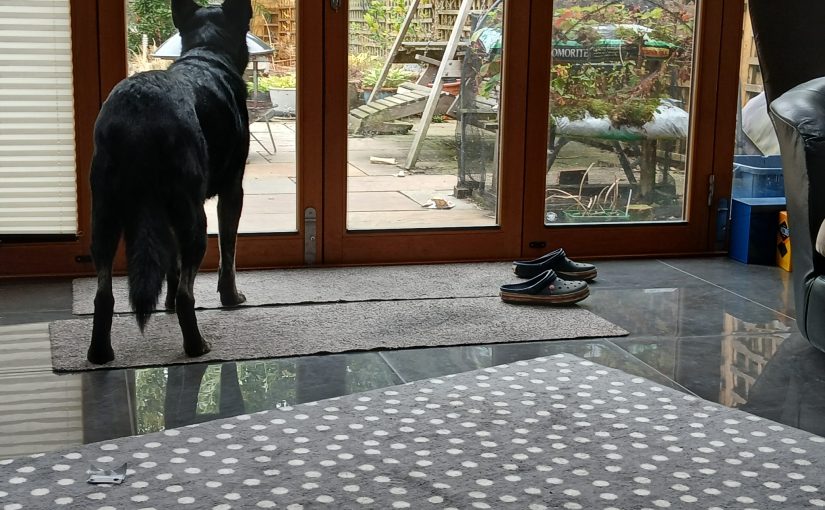
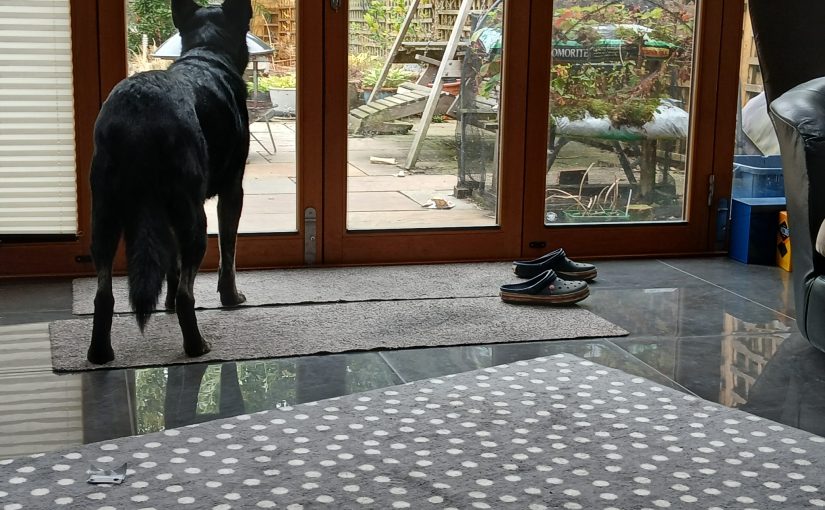
Illustration of a black shepherd-type dog standing at a crossroads path with multiple direction choices, representing decision-making and flexibility in business.
Sometimes too many options create stress, delays, and hidden mental load.

The Hidden Work Behind “No Rush”

On the surface, offering someone multiple dates or saying “no problem, let me know what suits you” sounds simple enough.

But often, what sits underneath that is:

  • mentally holding diary space,
  • checking emails repeatedly,
  • waiting for confirmation,
  • keeping conversations half-open in your head,
  • delaying other plans “just in case”,
  • and carrying around a task that technically isn’t finished.

That’s the hidden workload people rarely talk about.

The practical task may only take five minutes.
The mental load can last days.

Too Many Options Can Create More Delays

Sometimes, flexibility actually makes decision-making harder.

When people are offered endless alternatives, no urgency, and no clear next step, decisions can drift.

You follow up.
You check in.
You offer another time.
Then another.
Then another.

Meanwhile, the task remains mentally active for you the entire time.

I recently found myself in exactly that position.

A customer was struggling to confirm a suitable call time, so I offered several alternatives and tried to be as accommodating as possible.

But 24 hours later, there was still no confirmed time.
No confirmed call link.
No clear decision.

And I realised something important:

I had spent far too much mental energy holding space for something that still hadn’t actually moved forward.

Self-Employment Makes This Harder

When you work for yourself, you don’t have separate departments managing schedules, follow-ups, or client communication.

You are the system.

Which means unresolved decisions don’t just sit in a shared inbox somewhere.

They sit with you.

They follow you into the next task.
The next meeting.
Sometimes even into your evenings and weekends.

That’s why boundaries around time and decision-making matter far more in self-employment than many people realise.

Because every open loop takes energy.

Flexibility Shouldn’t Mean Constant Availability

There’s a difference between being supportive and becoming permanently “on standby.”

And many self-employed people accidentally slide into that habit because they genuinely want to help.

We worry about appearing difficult.
We don’t want to inconvenience people.
We want to provide good service.

But constantly reshuffling yourself around uncertain decisions can quietly become exhausting.

Especially when it happens repeatedly.

Clarity Is Kinder Than Endless Flexibility

Ironically, people often make decisions faster when there’s structure.

A clear deadline.
A limited set of choices.
A simple next step.

Too much flexibility can sometimes create hesitation rather than progress.

And that’s something I’m learning to get better at myself.

Not by becoming rigid or difficult — but by recognising that my time and mental capacity matter too.

It Only Took Action When It Suited Me

Eventually, I stopped waiting for the situation to resolve itself.

I stopped mentally hovering over it.

And I simply took action at a time that worked for me.

The moment I did that, the mental weight lifted almost immediately.

Not because the task disappeared.
But because the uncertainty did.

Final Thoughts

Flexibility is valuable.

It helps businesses feel human.
It builds relationships.
It can create a much better customer experience.

But flexibility without boundaries can quietly become overwhelming.

Especially when you work for yourself.

Because your energy, focus, and mental capacity are resources too.

And protecting those resources isn’t selfish.

It’s part of running a sustainable business.

Self-Employment and the Importance of Planning for Yourself

There’s something I see far too often in self-employment.

Business owners planning around everyone else’s needs first.

Clients first.
Family first.
Messages first.
Other people’s emergencies first.

And somewhere at the bottom of the list?

Themselves.

The problem is, in self-employment, there usually isn’t another person quietly making sure you’re okay behind the scenes.

If you become overwhelmed, exhausted, ill, or completely burnt out, the business feels it too.

Productive garden with raised beds, plants and growing space representing sustainable growth and planning in self-employment.
Sustainable growth needs planning, space, and care — in business and in life.

That’s why planning for your own needs isn’t selfish. It’s responsible.

You Are the Engine Behind the Business

In employed roles, there are often systems, departments, policies, and colleagues helping carry the weight.

In small business?

A lot of the time, it’s just you.

You are:

  • the planner
  • the decision-maker
  • the customer service department
  • the admin
  • the marketing
  • the problem solver

Which means your wellbeing directly affects your business capacity.

If you constantly ignore your own needs, eventually something gives way.

Your Needs Deserve Space in the Plan

Planning shouldn’t only include:

  • deadlines
  • client work
  • networking
  • meetings
  • social media

It also needs to include:

  • rest
  • processing time
  • switch-off time
  • meals
  • movement
  • recovery
  • realistic workloads

Because a diary full of “productive” tasks means very little if you’re running yourself into the ground trying to complete them all.

Self-Employment Makes This Harder

One of the challenges with self-employment is that there’s rarely a clear stopping point.

There’s always:

  • another email
  • another idea
  • another opportunity
  • another unfinished task

And because of that, many business owners start treating their own needs as optional extras instead of essential maintenance.

But your needs are not the interruption to the business.

Ignoring them usually becomes the interruption later.

Success Becomes Harder Without Capacity

You cannot sustainably grow a business while permanently exhausted.

You cannot make good long-term decisions when your brain is overloaded.

And you certainly cannot support everybody else properly if you never allow yourself any breathing space.

Sometimes the most productive thing you can do is pause long enough to notice what you actually need.

Not what everybody else expects from you.

What you need.

Final Thoughts

Planning for your needs is important because you are not separate from your business.

Your energy matters.
Your capacity matters.
Your wellbeing matters.

And if you don’t make space for those things intentionally, the business will eventually force the issue for you.

A sustainable business is not built by endlessly sacrificing yourself to keep everything moving.

It’s built by creating systems, boundaries, and routines that allow both you and the business to keep functioning long term.

Listening to Your Body in Self-Employment

There’s a strange badge of honour in self-employment sometimes.

People proudly talk about long hours, skipped lunches, working late into the evening, answering messages at all hours, and “powering through” exhaustion like it’s some kind of business achievement.

But your body keeps score.

Listening to your body in self-employment is one of the most overlooked skills a business owner can develop.

Leo walking on the beach while reflecting on listening to your body in self-employment
Sometimes the most productive thing you can do is step away and breathe.

And eventually, it starts whispering.

Then nudging.

Then shouting.

The problem is that many self-employed people are brilliant at listening to customers, deadlines, family members, networking contacts, business coaches, suppliers, and social media “experts”…

…but absolutely terrible at listening to themselves.

I know because I’ve done it too.

Listening to Your Body in Self-Employment Starts Earlier Than You Think

One of the hardest things about self-employment is that there’s no built-in stop point.

No manager telling you to take annual leave.

No HR department reminding you to log off.

No colleague noticing you’re running on fumes.

When you work for yourself, the responsibility sits with you.

Which sounds empowering… until you realise you can accidentally work yourself into the ground while convincing yourself you’re “just busy.”

Sometimes your body notices long before your brain catches up.

You become snappy.

Your concentration drops.

Simple tasks suddenly feel overwhelming.

You stop sleeping properly.

You feel permanently behind.

Your shoulders ache.

You lose patience.

You reread the same email three times.

And yet somehow, many of us still respond with:

“I just need to push through this week.”

The Danger of Ignoring the Warning Signs

Ignoring your body doesn’t make you stronger.

It usually just delays the crash.

And the frustrating part is that self-employed people are often the worst for this because we care deeply about what we do.

We don’t want to let clients down.

We don’t want to lose momentum.

We don’t want to miss opportunities.

So we keep going.

But there’s a huge difference between being committed to your business and sacrificing yourself for it.

Your business cannot run well if the person running it is exhausted, resentful, overwhelmed, or unwell.

At some point, sustainability matters more than hustle.

Listening Isn’t Laziness

This is the part many people struggle with.

Rest feels uncomfortable.

Slowing down feels guilty.

Taking a proper break can feel “unproductive.”

But listening to your body isn’t laziness.

It’s maintenance.

If your car dashboard lit up with warning lights, you wouldn’t stick tape over them and continue driving across the country pretending nothing was wrong.

Yet many business owners do exactly that with themselves.

Headache? Ignore it.

Exhausted? Another coffee.

Brain fog? Work longer.

Emotionally drained? Push harder.

Eventually your body forces the conversation you were avoiding.

Self-Employment Gives Freedom — But Also Responsibility

One of the reasons many people become self-employed is flexibility.

Freedom.

Choice.

The ability to work in a way that suits them better.

But freedom without self-awareness can become dangerous.

Because when there are no enforced boundaries, you have to build your own.

That might mean:

  • Taking an actual lunch break
  • Finishing work at a sensible time
  • Scheduling recovery time after intense periods
  • Saying no to work that pushes you beyond capacity
  • Working with your energy instead of against it
  • Accepting that productivity changes day to day
  • Building a business that supports your life instead of consuming it

None of these things make you weak.

In fact, they usually make you more effective long term.

Sometimes the Most Productive Thing You Can Do Is Pause

This is something I’ve had to learn repeatedly.

Sometimes the answer isn’t another spreadsheet.

Or another late night.

Or forcing yourself through a task while your brain has completely checked out.

Sometimes the most productive thing you can do is:

  • Go outside
  • Eat properly
  • Sleep
  • Stop staring at the screen
  • Take the dog out
  • Sit quietly for ten minutes
  • Admit you’re overloaded
  • Ask for help

Because clarity rarely appears when you’re running on empty.

Your Business Needs You Functional — Not Burnt Out

A sustainable business isn’t built by permanently ignoring your own needs.

Listening to your body in self-employment isn’t a luxury. It’s part of running a sustainable business.

It’s built by understanding your capacity.

Understanding your energy.

Understanding when you need support.

And understanding that you are not a machine.

Self-employment gives incredible freedom.

But freedom works best when paired with honesty.

Honesty about what’s working.

Honesty about what isn’t.

And honesty about what your body has been trying to tell you for weeks.

Because if you don’t listen early… eventually your body tends to make sure you listen later.

If your business feels heavy right now, it may not mean you’re failing.

You may simply be overloaded.

Sometimes an outside perspective, a structured plan, or a few hours of support can make a huge difference before burnout properly hits.

That’s exactly the kind of support I offer through Focus Guru — helping small business owners regain clarity, capacity, and breathing space before everything becomes overwhelming. Please get in touch and give me 15 mins of your precious time!

The sooner you start listening to your body in self-employment, the easier it becomes to avoid burnout and make better decisions for both yourself and your business.