Taking a Mental Break – How Do You Switch Off?

When was the last time you took a mental break and properly switched off?

And what does switching off actually mean to you?

Some people might enjoy sitting quietly doing absolutely nothing. Others prefer going for a walk, reading a book or spending time with friends.

I don’t need to stop doing things to switch off. I simply need to give my mind something different to concentrate on.

That could be watching the mesmerising flames dancing in a fire, sitting in the garden watching nature or picking up my colouring pencils.

My brain is still occupied, but it’s no longer concentrating on work, deadlines or whatever else I’ve been thinking about.

Making Time for a Change of Focus

One thing I’ve learnt is the importance of deliberately making time for these changes of focus.

After a long session working at my computer, I’ll take ten minutes away from the screen and do some colouring.
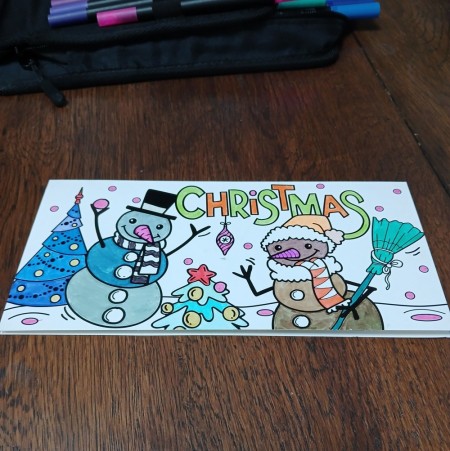
A colourful Christmas picture featuring two snowmen, completed during a break from computer work
My Christmas colouring picture, showing one of the ways I take a mental break from screen work and return feeling refreshed and more focused.

It’s not about creating a masterpiece. It’s simply about doing something completely different.

And when I return to work?

I’m more focused, less mentally tired and ready to get on with the next task.

Importantly, I’ve also had a break from staring at a screen.

It’s a small change in activity, but it makes a difference.

Why Does Giving Your Mind a Break Matter?

There’s actually some science behind this.

Research into short breaks during the working day suggests they can help reduce mental fatigue and leave us feeling more refreshed.

It doesn’t mean everyone will suddenly become more productive after ten minutes away from their desk. But taking a break can help us feel ready to continue.

And sometimes stepping away from a problem can help us see it differently.

Have you ever been struggling to find an answer, only for it to pop into your head when you’re doing something completely unrelated?

We can become so focused on getting everything finished that taking a break feels like we’re wasting time.

Recognising when we need to stop is an important part of listening to your body.

But are we?

If a short break means we return feeling more focused and ready to tackle the next task, surely that’s time well spent?

If you’d like to explore the science, you can read more in Give Me a Break! A Review of the Benefits of Short Breaks.

Switching Off in Nature

I love sitting in the garden, watching what’s happening around me.

There’s something about watching nature that can be completely absorbing without requiring much effort.

The same goes for swimming in the sea.

And then there’s watching a fire.

I can happily sit watching the flames flicker and dance, completely mesmerised by the changing shapes and colours.

None of these activities requires me to think about work.

But they all give my mind something to focus on.

Spending time in nature can also help us relax and recover from mental tiredness.

It’s something we’ve explored at Macclesfield SciBar, where a talk about Shinrin Yoku, or forest bathing, looked at the benefits of connecting with nature.

Of course, you don’t need to go wandering through a forest to enjoy nature.

Sometimes sitting in your own garden is enough.

Even When We’re Asleep, Our Brains Are Busy

And then there’s sleep.

We might think of sleep as the ultimate way of switching off, but our brains don’t simply shut down when we close our eyes.

Sleep plays an important role in learning, memory and processing information.

It’s something we’ve also explored at Macclesfield SciBar. In 2025, Dr Jill McGarry gave a talk called We’re Not Just Unconscious When We Sleep, looking at what happens when we’re asleep.

And that brings me to Leo.

Leo, a German Shepherd cross, curled up asleep on his bed.


One of the things I love watching is Leo dreaming.

His paws start twitching, then perhaps his ears, nose or mouth. Sometimes there’s a little whimper too.

I often wonder what he’s dreaming about.

Is he running around with his friends? Chasing squirrels? Reliving something exciting from his day?

Obviously, I can’t ask him!

But research suggests that sleep helps dogs process and remember things they’ve learned, just as it does for us.

So while I have absolutely no idea what’s going on inside Leo’s head when he’s dreaming, it’s lovely to watch and wonder.

And, of course, watching him is another way of switching my own mind away from everything else.

Making Time to Switch Off

Switching off isn’t something I leave until I’ve finished absolutely everything.

Because, realistically, when is everything ever finished?

I consciously make time for it.

And what works for one person won’t necessarily work for another.

It’s much like approaching tasks with an attitude that suits you – finding what works for you is what matters.

You might enjoy going for a run, listening to music, gardening, knitting or something completely different.

There’s no single right way to switch off.

Taking a short break during the day doesn’t replace the need for proper rest and sleep. They’re all important in different ways.

How Do You Switch Off Your Mind?

Switching off doesn’t necessarily mean doing nothing. Sometimes it simply means doing something different.

So, how do you switch off your mind?

And perhaps more importantly, are you making time to do it?
Gardening and Business – Are They Really That Different?

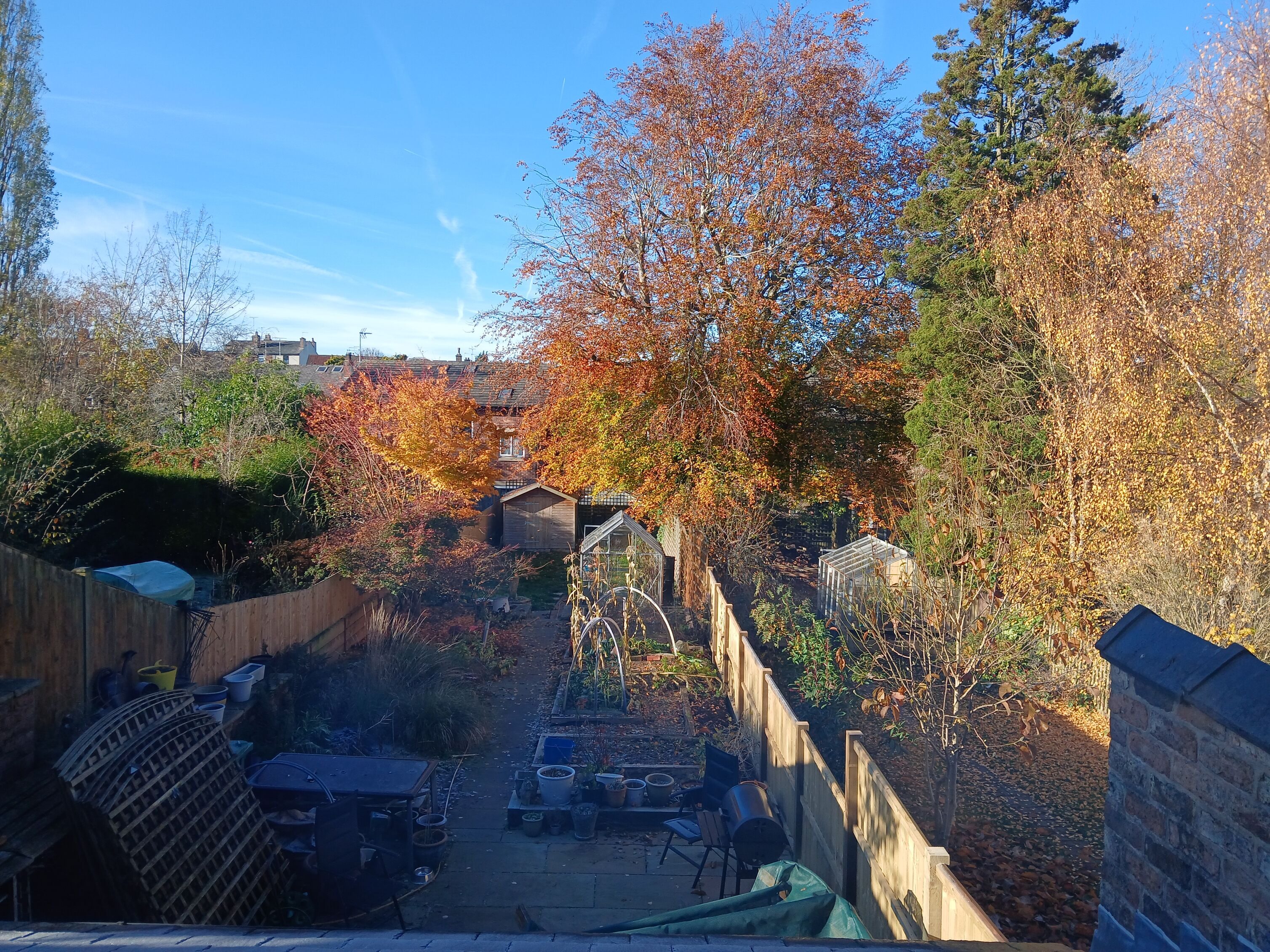
It was a lovely July morning, and I was sitting on my swing seat in the garden, enjoying the fresh air, listening to the birds and looking at everything growing around me.

Fast forward to November, and although there’s still blue sky, it’s a crisp morning. The first hard frost arrived yesterday, but I’ll still take five minutes to sit in my garden and enjoy it.

Back in July, I wasn’t particularly thinking about work. I was simply enjoying being outside when my mind started wandering.

And I found myself wondering just how many similarities there are between gardening and running a business.

Quite a few, as it turns out!

Both Need Attention, But Not Constantly

If you plant something in your garden, you can’t simply forget about it and expect it to flourish.

It needs the right conditions, some watering, perhaps a bit of feeding and occasionally some protection.

But there’s also a point where you need to leave it alone.

You can’t keep digging up a plant to check whether its roots are growing. You need to give it time to establish itself.

Business isn’t really that different.

When you introduce a new service, start working with a new client or try something different, you need to give it attention. But you also need to give it time.

Not everything produces immediate results, and constantly changing direction doesn’t necessarily help.

Both gardening and business benefit from routines too. A little regular maintenance can prevent small jobs from becoming much bigger ones. And, as I’ve explored before, planning for your needs in self-employment can make a real difference

But routines shouldn’t mean rigidity.

Sometimes the weather changes your gardening plans, just as life sometimes changes your business plans.

Both need attention, patience and a little flexibility.

One Person’s Weed Is Another Person’s Flower

Here’s something interesting about weeds.

A weed isn’t necessarily a bad plant. It’s simply a plant growing somewhere you don’t want it.

Something you consider a weed in your garden might be exactly what somebody else is deliberately growing in theirs.

And business can be very similar.

Perhaps you’ve got a service you no longer enjoy providing, a task that’s stopped being useful or a client who’s absolutely lovely but whose work is no longer the right fit.

None of these things is necessarily bad.

They’re just not growing in the right place anymore.

And just because something isn’t right for your business doesn’t mean it wouldn’t be perfect for somebody else’s.

One person’s weed can be another person’s flower.

Sometimes removing something from your business isn’t about getting rid of it completely. It might mean passing an opportunity to somebody who would genuinely enjoy it.

Why keep something that’s draining your time when you could be making room for something you’d rather be doing?

And, just like gardening, weeding isn’t a job you do once and never need to think about again!

Every Garden and Business Has Its Seasons

Gardens don’t look the same all year round.

There are times when everything seems to be growing at once, times when you’re busy planting or harvesting, and quieter periods when there’s much less to do.

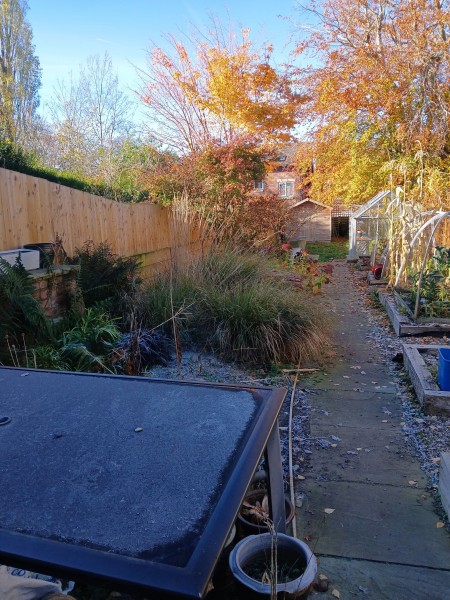
Frost covering a garden table on a sunny November morning, with autumn trees and a garden path behind it
The first hard frost of November, but there’s still plenty to enjoy in the garden.

Businesses have their seasons too.

Some weeks you’re juggling clients, deadlines and commitments. Other weeks are quieter.

But quieter doesn’t necessarily mean worse.

We don’t expect our gardens to produce flowers, fruit and vegetables every week of the year, so why do we sometimes expect our businesses to operate at full speed all the time?

Quieter periods can be an opportunity to catch up on maintenance, make plans or simply enjoy what you’ve already achieved.

And both gardens and businesses continually evolve.

What worked beautifully last year might need changing this year. Our circumstances, interests and priorities change, and sometimes we need to decide what to keep, what to move and what to try next.

Neither a garden nor a business is ever really finished.

And I think that’s part of the enjoyment.

Enjoying What You’ve Grown

One of my favourite things about having a garden is simply being in it.

I love sitting outside, listening to the sounds around me, looking at the colours and enjoying the different scents.

I don’t have to be planting, weeding, watering or harvesting.

I can simply sit there and enjoy it.

And when the vegetables are ready, that’s an added bonus!

Sometimes I even grow more than we need, so the surplus goes on the wall outside for other people to help themselves.

But the vegetables aren’t the only reason I enjoy gardening. It’s the whole experience.

And shouldn’t running a business be a bit like that too?

Of course, our businesses need to generate an income, but surely there should be enjoyment in what we’re doing along the way?

It’s easy to become so focused on the next client, project or achievement that we forget to appreciate what we’ve already created.

One of the things I particularly enjoy about being self-employed is having some flexibility over how I spend my time.

That doesn’t mean I can abandon my clients whenever the sun comes out!

But it does mean I can sometimes arrange my work around other things that matter to me, including spending time in my garden.

Getting outside gives me a change of scenery, particularly after hours sitting at my desk. It’s also part of listening to your body in self-employment and recognising when you need a break.

Sometimes it’s simply a break.

Other times, stepping away gives my mind the space to wander, and an idea appears.

Which is exactly how this blog started!

I hadn’t sat down intending to come up with something to write about.

I was simply enjoying my garden.

Not every moment needs to be productive to be worthwhile.

And sometimes doing absolutely nothing is exactly what we need.

But perhaps the most important similarity is that we should be able to enjoy what we’re growing, rather than constantly worrying about what needs doing next.

Back in July, I was sitting in my garden enjoying the sunshine when these thoughts first appeared.

Now it’s November. The garden looks completely different, and the first hard frost has arrived.

There are fewer flowers, the vegetable beds are quieter and the garden is preparing for winter.

But that doesn’t mean there’s nothing to enjoy.

I’ll still take five minutes to sit outside, look around and appreciate what’s there.

Because whether it’s a garden or a business, there’s always something changing, something growing and something to enjoy.

What similarities have you noticed between your business and the things you enjoy doing outside work?

Solopreneur – The Power Is in a Team!

Being a solopreneur sounds very… solo.

But I’ve come to realise that being a solopreneur doesn’t mean you have to do everything alone.

In fact, support for solopreneurs can be one of the most important parts of running a business — whether that’s practical help, friendship, encouragement or simply having someone who understands.

You run the business.

You make the decisions.

You deal with the clients.

You decide what happens next.

And ultimately, the responsibility sits with you.

But I’ve come to realise that being a solopreneur doesn’t mean you have to do everything alone.

In fact, I think having the right people around you can be one of the most important parts of running a business.

Some Mornings You Just Need Your People

This morning didn’t exactly start brilliantly.

A 1:1 I’d planned for was cancelled.

Something I’d bought to improve the way I work was dismissed as something we could have done more cheaply.

And some client work I was expecting hadn’t arrived.

None of these things individually was disastrous.

My business hadn’t suddenly fallen apart.

There wasn’t an emergency to solve.

But added together?

They left me feeling thoroughly deflated.

And that’s one of the strange things about working for yourself.

If I’d been employed in an office, I might have turned to the person at the next desk and said:

“Well, this morning’s going well…”

We’d have had a five-minute moan, probably laughed about something completely unrelated, and then got back to work.

As a solopreneur, there isn’t necessarily somebody sitting at the next desk.

That’s why you need to create your own version of it.

My Secret Squirrels

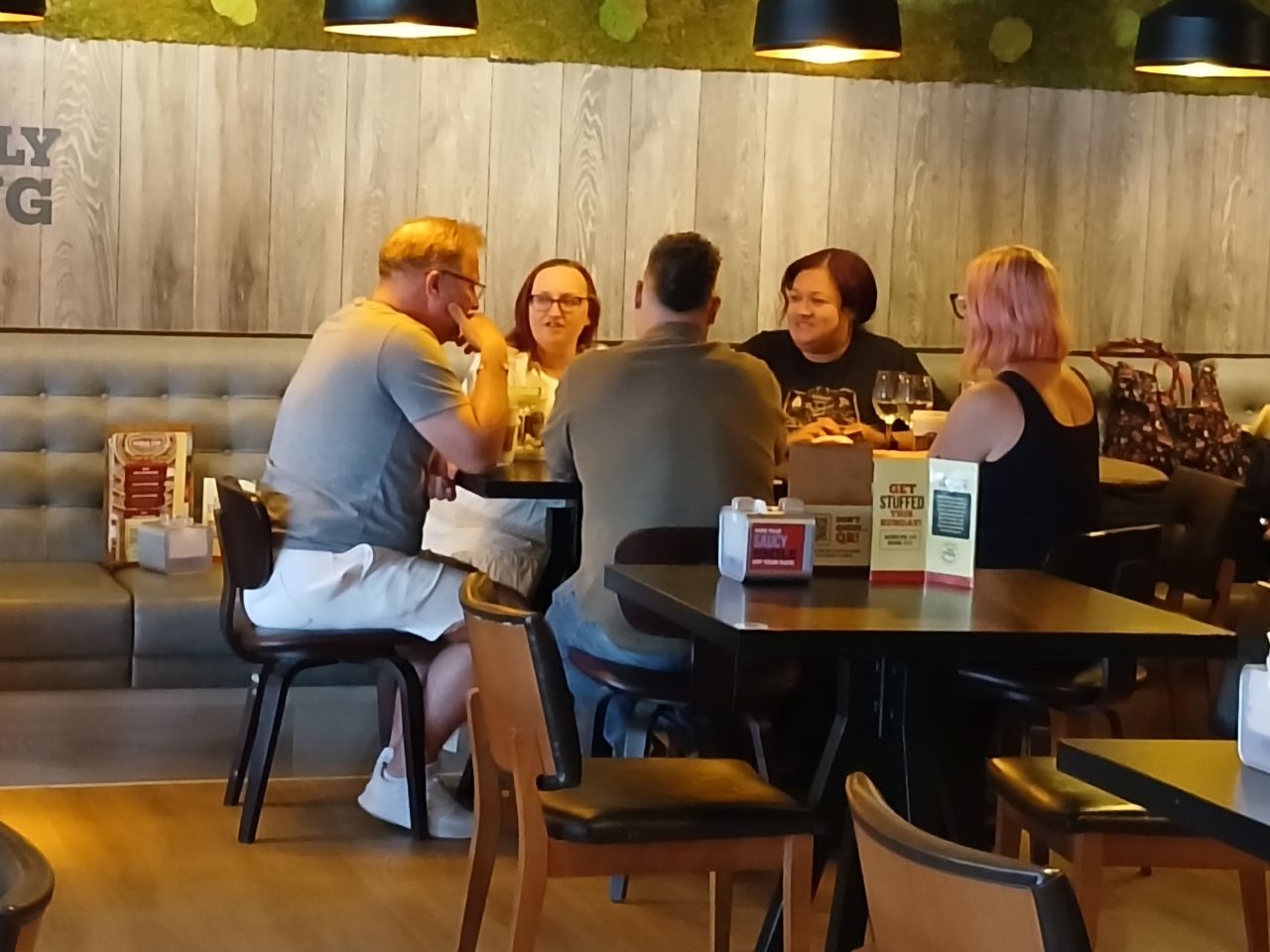
I have a small group of business friends we affectionately call the Secret Squirrels.

I’m not going to tell you what makes the squirrels secret — because then they wouldn’t be very secret, would they?

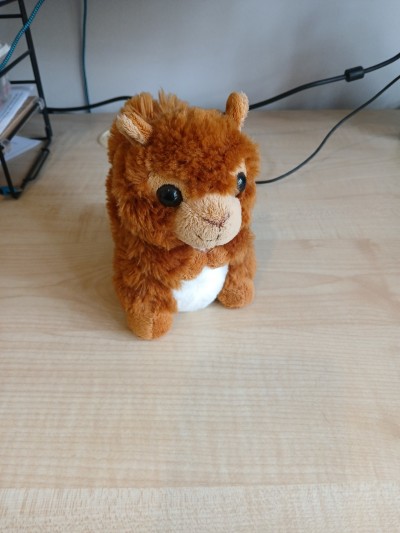
Toy squirrel representing the Secret Squirrels support network
Some things are staying secret… 🐿️

But I can tell you about the people.

There’s Sheena , Claire , Jo  and Angie 

We’re all running our own businesses.

We’re all doing different things.

And we certainly don’t spend our time having formal business meetings and presenting quarterly reports to one another.

Sometimes we brainstorm.

Sometimes somebody needs another pair of eyes on something.

Sometimes there’s a difficult client conversation or a frustrating situation that needs to be shared with people who understand.

Sometimes there’s good news that deserves celebrating.

And sometimes somebody shares something completely ridiculous and we all laugh.

That’s part of the support too.

Why Support for Solopreneurs Matters

There are things about running a business that are difficult to explain to somebody who has never done it.

The excitement when an enquiry comes in.

The disappointment when something you thought was definite disappears.

The client who makes your day.

The client who makes you want to hide under your desk.

The idea that arrives when you’re supposed to be doing something completely different.

The days when you’re absolutely convinced you’ve got this.

And the days when you wonder what on earth you’re doing.

Having other business owners around you means you don’t always have to explain the background before you can talk about the thing that’s actually bothering you.

They get it.

They’ve probably experienced their own version of it.

And sometimes simply hearing “Yep, I’ve had one of those days too” is enough.

Your Team Doesn’t Have to Work for You

When we talk about building a team in business, we often immediately think about employees, associates, VAs or outsourcing.

And yes, they can absolutely be part of your team.

But I think there’s another kind of team that’s just as important.

The people who support you.

Your team might include people you see regularly in person.

It might include people you’ve met through networking.

It could be people hundreds of miles away who you mostly talk to online.

It could even include AI. FocusBot has certainly become part of mine — particularly when I need to get everything out of my head, work through an idea or turn “I’ve got all this going on” into something I can actually tackle.

But AI doesn’t replace the people.

Because sometimes I don’t need an answer.

I need a conversation.

Sometimes I don’t need a solution.

I need somebody to listen.

Sometimes I don’t need someone to make the frustration disappear.

I just want someone who understands why I’m frustrated in the first place.

Friendship Has a Place in Business

There’s another element we don’t talk about enough.

Friendship.

Not every business relationship needs to be about referrals, collaborations, opportunities or what somebody can do for you.

Some of the most valuable relationships I’ve developed through running Focus Guru have become friendships.

We know what’s happening in one another’s businesses.

But we also know what’s happening outside them.

We share the successes and the frustrations.

We can talk seriously when we need to.

And we can be completely daft when we don’t.

Support for solopreneurs doesn’t always need to have a measurable business outcome to be valuable.e.

Sometimes feeling less alone is the value.

Solo Doesn’t Have to Mean Alone

I am a solopreneur.

Focus Guru is my business and ultimately the decisions about it are mine.

But I don’t run it completely alone.

I have people I can brainstorm with.

People I can ask questions.

People I can celebrate with.

People I can be frustrated with.

People who will listen.

People who will make me laugh.

And yes, occasionally a FocusBot that will help me untangle the contents of my brain.

That’s my team.

Yours doesn’t need to look anything like mine.

It doesn’t need a name.

It doesn’t need scheduled meetings.

It doesn’t even need everyone to know they’re part of it.

But I think support for solopreneurs matters, and we all need people around us who provide encouragement, conversation and friendship.

Because there’s power in being a solopreneur.

But there’s even more power in knowing you don’t have to do it alone.